Discover exactly when to visit J-Bay to match your skill level with the ocean’s rhythm, from thundering winter barrels to gentle summer glides.
Understanding the Pulse of the Bay: An Overview of Surf Seasons
Jeffreys Bay is more than just a pin on the map; it's a world-class right-hand point break that has captured the imagination of surfers for generations. The town's rhythm is dictated by the powerful South Atlantic swell that wraps around the Eastern Cape coastline, creating waves that are both legendary and accessible. This guide provides a clear, season-by-season plan to help you decide when to visit, ensuring the waves you find match the experience you seek. Whether you're chasing adrenaline-fueled barrels or a gentle, gliding ride, the bay’s timeless beauty offers something special across all twelve months.
The Mechanics of a Perfect Wave
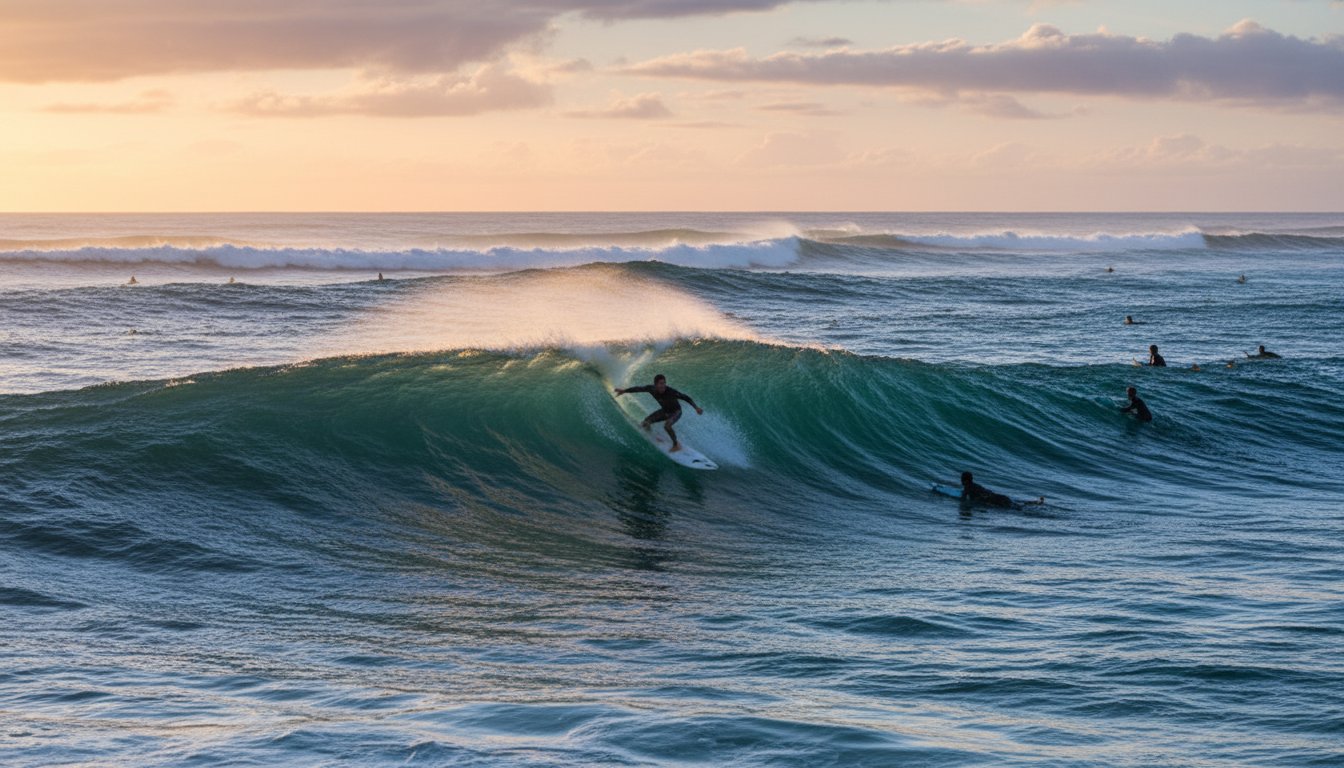
The magic of a J-Bay wave is born from its unique underwater landscape, or bathymetry. A long, tapering reef shapes the incoming ocean energy into incredibly long, rideable walls of water. This natural perfection is enhanced by the prevailing Westerly winds, which blow offshore, grooming the wave face into a clean, smooth surface. The wave itself is comprised of several distinct sections, each with its own character, from the high-performance canvas of Supertubes to the more forgiving walls at Point and Albatross.
What Makes 2026 a Special Year for Surfing?
While the professional Championship Tour will not include a stop in Jeffreys Bay in 2026, the town's deep-rooted surf culture will be celebrated at the J-Bay Surf Festival, running from 10 to 20 July 2026. This community and industry event offers a fantastic opportunity to experience the town's authentic passion for surfing without the intensity of a pro competition. It's the perfect time to connect with local shapers, surfers, and the community that makes this place so unique. To beat the crowds during other peak periods, use local knowledge: early morning sessions and late afternoons often provide the best conditions with a more relaxed lineup.
Chasing the Winter Swell: The Golden Window (May to September)
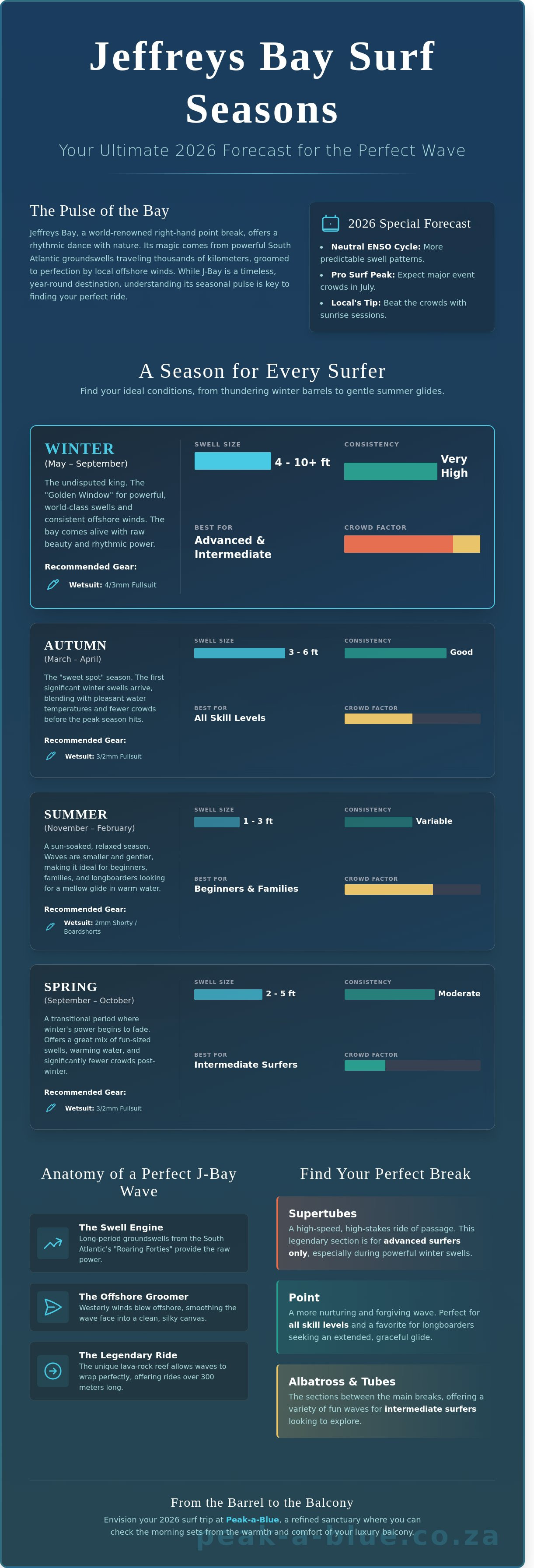
For experienced surfers, winter is the undisputed king of surf seasons in Jeffreys Bay. This is the golden window when consistent cold fronts march up from the South Atlantic, delivering powerful, long-period swells that light up the entire point. These swells are met by reliable offshore Westerly winds, which create the iconic "corduroy" lines that stretch to the horizon. During these months, you can expect wave heights ranging from a manageable 4ft to thundering 10ft+ days that test the world's best.
The Adrenaline of Supertubes
Surfing Supertubes in winter is the ultimate experience for any advanced surfer. It's a fast, hollow, and powerful wave that demands respect and commitment. The ride is often described as a "freight train," with sections that barrel perfectly down the reef. Paddling out here during a peak winter swell is only for confident, experienced surfers who understand point break etiquette. The reward is the wave of a lifetime, a sensory experience defined by speed, power, and the unmistakable sound of a world-class barrel.
Winter Essentials: Wetsuits and Warmth
To make the most of the winter waves, the right gear is essential. A good quality 4/3mm full wetsuit is standard, and many surfers add booties and a hood for extra warmth on the coldest days. The winter water temperature in Jeffreys Bay typically averages between 15-18°C. After a long session in the chilly Atlantic, there is nothing better than the joy of a post-surf "snuggle" in a warm, comfortable apartment, allowing your body to recover for the next day's swell.
Summer Glides and Shoulder Secrets: Surfing J-Bay Year-Round
While winter gets the most attention, the "off-season" in Jeffreys Bay holds its own unique charm. The transition or "shoulder" months of April, October, and November are often considered sweet spots, offering a blend of winter-style swell and warmer conditions. Summer itself, from December to March, is a hidden gem for longboarders and families, with warmer water and a more relaxed atmosphere. During this time, the wind often shifts to a light Easterly, which can be ideal for the more sheltered breaks.
Shoulder Season: The Best of Both Worlds
In April and May, the first significant winter swells begin to arrive, but the air and water are still comfortably warm. It’s a time of crisp mornings and beautiful, glassy conditions. Later in the year, October and November see the last of the winter energy, providing powerful waves with far fewer crowds. These months are perfect for planning your sessions around timeless sunsets and calm, glassy afternoons.
Summer Surfing: Gentle Waves and Family Joy
Summer transforms Jeffreys Bay into a paradise for beginner and intermediate surfers. The focus shifts to breaks like The Point and Kitchen Windows, which offer gentle, rolling waves perfect for learning. The warmer water means you can often surf in boardshorts or a thin 2mm wetsuit. This is the ideal time for a "parent-to-parent" surf lesson with the kids, creating shared memories on the water in the heart of the South African summer.
Reading the Elements: Wind, Tides, and Local Wisdom
In Jeffreys Bay, the wind direction is often more important than the swell size. The magic ingredient is a "Westerly," the offshore wind that holds the wave face up and allows it to barrel perfectly. Understanding the tides is also crucial, as they affect each break differently; Supertubes, for example, typically works best on a lower tide, while The Point prefers a higher tide. Modern technology helps, and having access to fibre WiFi allows you to check real-time surf cams and forecasts before you even leave your apartment. Finally, remember that the sandbanks shift each year, so it's always wise to watch the break for a while before paddling out.
A Daily Rhythm for the 2026 Surf Traveler
Embrace the local rhythm by starting with a "dawn patrol." The first light often brings the calmest winds and the most magical conditions. After your morning session, you can integrate surf checks with a slow, unhurried coffee while planning your next move. As the afternoon sea breeze picks up, you can navigate to more sheltered corners or simply relax and wait for the evening glass-off.
Safety and Etiquette in the Water
To ensure a friendly and safe session, it’s important to understand the local etiquette. At high-performance waves like Supertubes, there is a "pecking order" based on skill and local experience. Always wait your turn and never drop in on another surfer. Be aware of ocean hazards like currents and rocks, especially at breaks you're unfamiliar with. The area is a designated surf reserve, a status that underscores the global significance of this coastline and the community's commitment to protecting its pristine waves and marine life for future generations.
From the Barrel to the Balcony: Your Surf Sanctuary at Peak-a-Blue
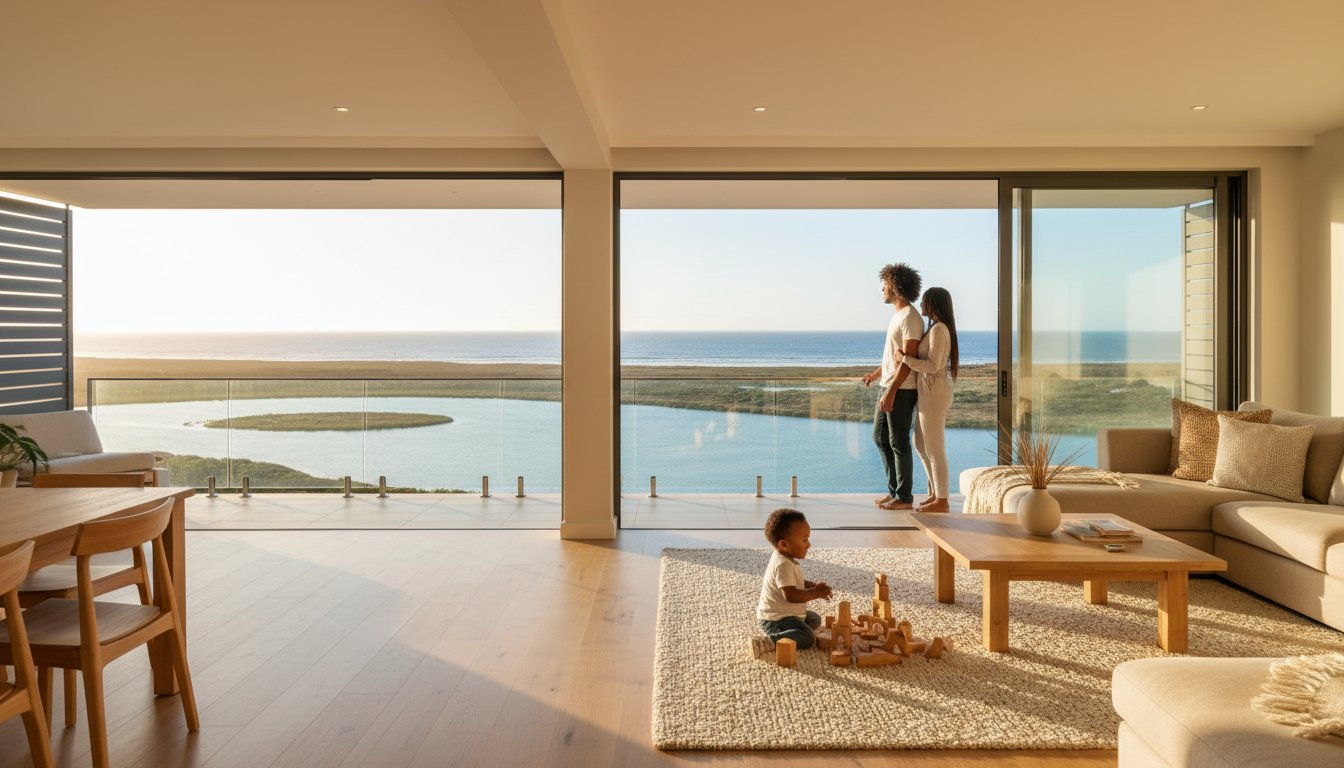
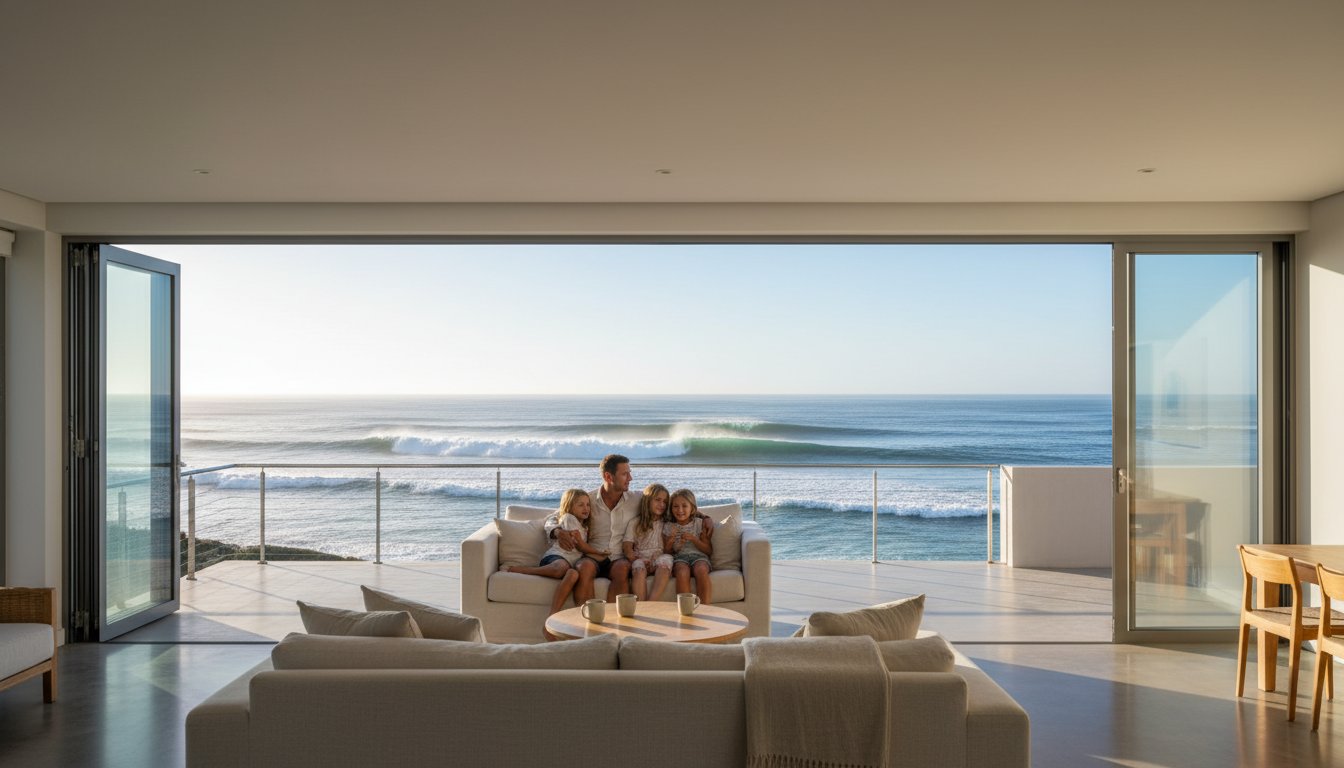
A successful surf trip requires the perfect base, and Peak-a-Blue is designed to be the ultimate sanctuary for your 2026 J-Bay adventure. The luxury of unobstructed lagoon and sea views means you can check the conditions from your bed, deciding the best time to paddle out. The apartment is equipped with practical amenities for surfers, including secure parking and high-speed fibre WiFi for remote work or checking the latest swell charts. It's more than just a place to stay; it's a meticulously crafted, family-owned space where you can experience true "local love."
Recovery and Refinement
After a long day in the water, the tactile comfort of the three-bedroom apartment provides the ideal environment for recovery. Sink into a plush sofa, prepare a meal in the fully-equipped kitchen, and get a good night's rest. The complex is just a two-minute walk from the beachfront, and the dedicated kids' play area is perfect for families, allowing parents to take turns in the water knowing their children are safe and entertained.
Book Your 2026 Surf Getaway
The best seasons in Jeffreys Bay are highly sought after. We encourage travelers to secure their dates for the upcoming year to avoid disappointment. With family-friendly restaurants just a short walk away for post-surf fuel, everything you need is right at your doorstep.
Secure your luxury surf sanctuary at Peak-a-Blue
Frequently Asked Questions
When is the most consistent time for big waves in Jeffreys Bay? The winter months, from May to September, offer the most consistent and powerful swells, with waves frequently reaching 6-10ft and larger.
Can beginners surf in J-Bay during the peak winter season? While main breaks like Supertubes are for advanced surfers only in winter, beginners can find more sheltered, smaller waves at spots like Kitchen Windows or seek lessons from local surf schools that operate year-round.
What thickness wetsuit do I need for surfing in Jeffreys Bay? For the winter (May-Sept), a 4/3mm full wetsuit is recommended, often with booties. In summer (Dec-Mar), a 2mm spring suit or even boardshorts is usually sufficient as the water is much warmer.
Is Jeffreys Bay safe for family surfing trips? Absolutely. The summer season, in particular, is perfect for families, with gentler waves at The Point and Kitchen Windows. The town has a relaxed, family-friendly atmosphere with plenty of activities beyond surfing.
How far is Peak-a-Blue from the main surf breaks like Supertubes? Peak-a-Blue is located in the Kabeljous area, a short and scenic drive (approximately 5-7 minutes) from the main point breaks, including Supertubes, Point, and Tubes.
What happens to the surf in J-Bay during the summer months? The surf becomes smaller and gentler, making it ideal for longboarding, beginners, and intermediate surfers. While large swells are less frequent, there are still fun, playful waves to be found almost every day.
Are there surf schools in J-Bay for children and beginners? Yes, Jeffreys Bay is home to several excellent, accredited surf schools that offer lessons for all ages and skill levels, including children and complete beginners.
Do I need a car to get to the surf spots from Peak-a-Blue? While you can walk to Kabeljous beach, having a car is highly recommended to easily access the different point breaks like Supertubes and explore the surrounding area.